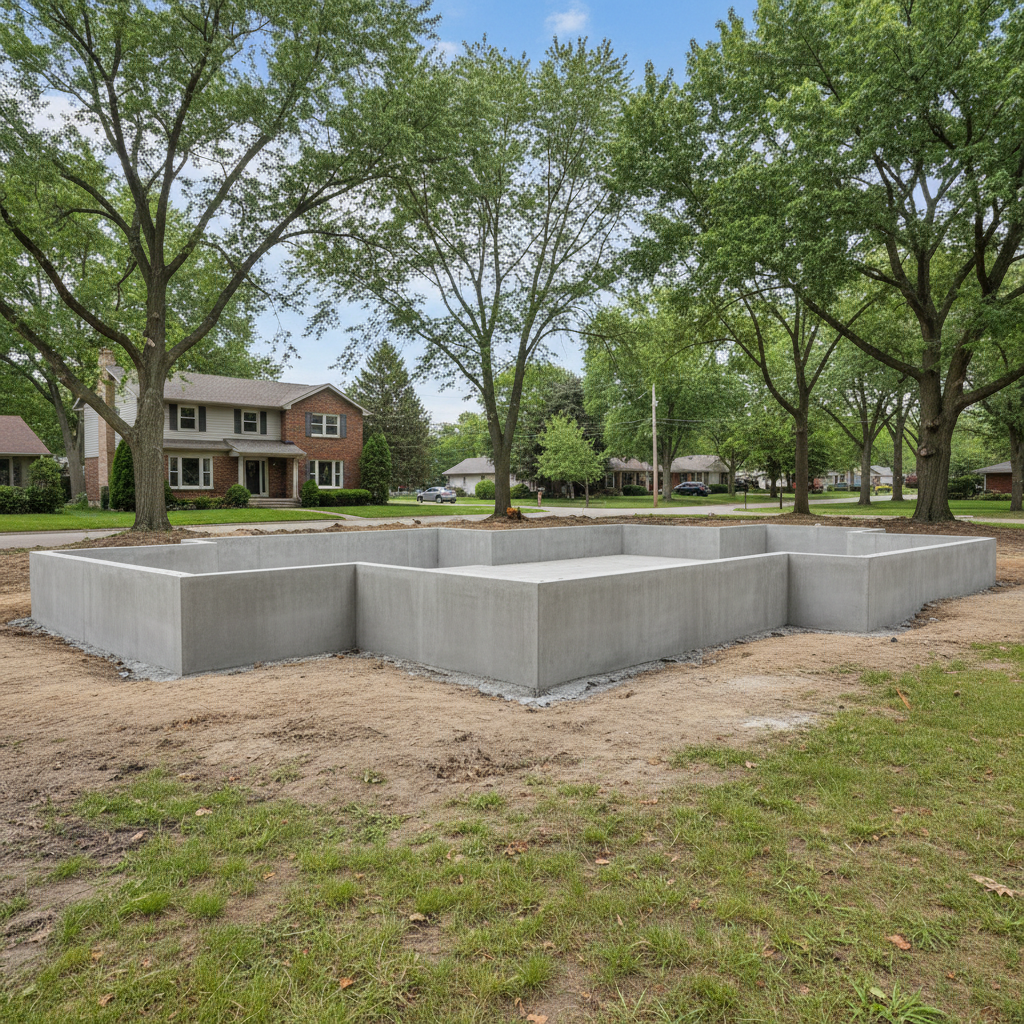
Ever really thought about what's holding up your Evanston home? Most folks don't, not until they spot a crack or a damp patch in the basement. But here in Evanston, your foundation isn't just sitting there; it's constantly working against some really tough local conditions. Understanding these challenges is key to keeping your home stable and dry, which is something most people don't consider until there's a problem.
Evanston's Tricky Soil and Weather
If you live here, you know our weather isn't exactly gentle. We get those brutal Midwestern winters, and with them come freeze-thaw cycles that can happen 25 to 30 times a year. That's a lot of expansion and contraction, honestly. It puts immense pressure on anything in the ground, especially your foundation. When water seeps into concrete and freezes, it expands with tremendous force, creating internal stress that cracks the slab from within. Then it thaws, and the ground settles unevenly. It's a constant battle.
But it's not just the cold. We also deal with a lot of rain, about 38 inches annually, and that brings its own set of problems. The soil around here is mostly glacial clay, often called Chicago Blue Clay. This stuff is dense, heavy, and reacts a lot to moisture. When it gets wet, it swells and pushes against your foundation walls with serious force. During dry spells, it shrinks and pulls away, creating voids. This constant shifting, swelling, and shrinking is called differential settlement, and it's a major reason for foundation issues in older homes, especially in areas like the Lakeshore Historic District where many homes were built before modern drainage standards were even a thing.
Common Foundation Headaches in Our Neighborhoods
Given our soil and climate, certain foundation issues show up more often than others in Evanston. You'll see things like:
- Cracks in basement walls or floors: These can range from hairline cracks due to normal settling to wider, more concerning cracks caused by hydrostatic pressure or shifting soil.
- Bowing foundation walls: That expansive clay soil, when it's soaked, can push inward on your basement walls, causing them to bow or buckle.
- Water seepage: Many of Evanston's older homes, some dating back to the early 1900s, weren't built with modern waterproofing. This makes them vulnerable to water seeping through cracks, cove joints (where walls meet the floor), or even porous masonry. You might notice powdery residue (efflorescence), musty odors, or damp spots after it rains.
- Uneven settling: The constant movement of the clay can lead to parts of your foundation settling unevenly, which might show up as sloping floors or doors and windows that stick.
Whether you're in a charming Victorian in the Ridge Historic District or a mid-century bungalow west of Ridge Avenue, these issues are common. The aging housing stock across Evanston means many foundations have weathered decades of these environmental challenges. It's just a fact of life here.
Why Local Expertise Isn't Just a Buzzword
You might think concrete is concrete, no matter where you are. But here in Evanston, that couldn't be further from the truth. A contractor from out of state or even across Illinois might not grasp the specific details of our local conditions. They might not understand:
- Our specific soil composition: Knowing about that reactive glacial clay isn't something you pick up everywhere. It tells us how we approach excavation, drainage, and even the type of concrete mix we use.
- The severity of our freeze-thaw cycles: It's a big deal here, and it demands specific techniques and materials to make sure your foundation can withstand it year after year.
- Evanston's building codes: The City of Evanston adopts the International Building Code with local amendments. For instance, trench foundations for additions need to be designed to specific standards, including a minimum depth of 42 inches below grade and belled bottoms for stability in cohesive soils. You need someone who knows these rules inside and out to avoid costly re-dos or fines, which happens more than you'd think.
- The types of foundations common in our older homes: Many Evanston homes have limestone, brick, or concrete block foundations. Repairing these requires different knowledge and techniques than working with newer poured concrete.
At Absolute Concrete Co, we've been working on foundations right here in Evanston for years. We've seen it all, from the grand old homes near Northwestern University to the more modest ones further west. We know what works, what doesn't, and how to get it done right the first time, always keeping our unique local challenges in mind.
When you're dealing with something as important as your home's foundation, you don't want guesswork. You want a team that understands the ground beneath your feet, the weather above your head, and the specific regulations that protect your investment right here in Evanston. That local knowledge, honestly, makes all the difference.