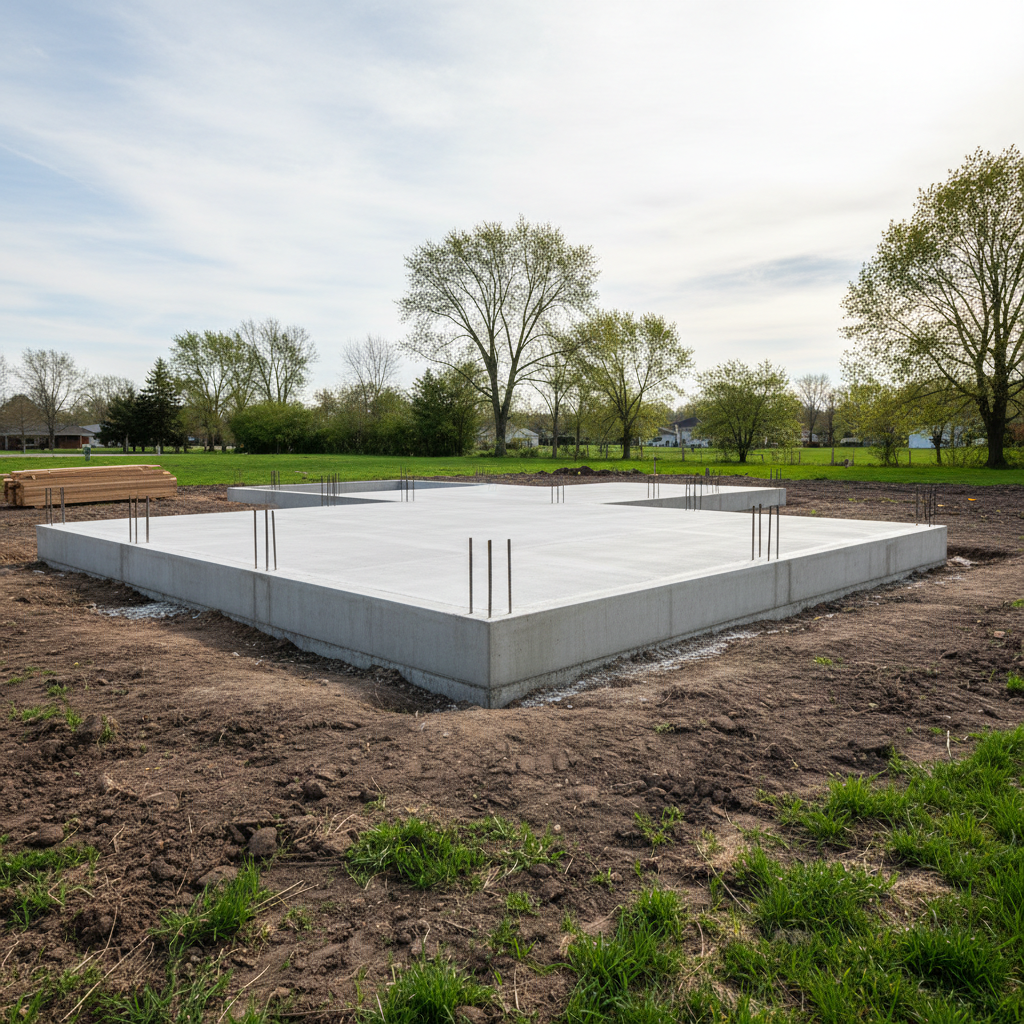
So, you're thinking about a new concrete foundation. Maybe it's for an addition, a new garage, or even a whole new build here in Evanston. That's a big project, no doubt, and it's smart to go into it with your eyes wide open. I've poured a lot of foundations over the years, and I've really seen what makes a project run smoothly and what can turn into a real headache. Let's talk about how to plan this right, okay?
Understanding Your Foundation Project Timeline
Folks often don't realize how long a foundation project actually takes. It's not just about pouring concrete; there's a whole lot that goes into it both before and after. Here’s a general breakdown, but always remember, every job is unique.
- Permitting (4-8 weeks, sometimes more): This is often the biggest wild card. Evanston's building department is thorough, and depending on how complex your project is and what their current workload looks like, getting those permits can really eat up time. Don't even think about breaking ground until you have this in hand.
- Excavation & Site Prep (1-3 days): Once permits are clear, we start digging. This means clearing the site, excavating the footings, and making sure the ground is properly graded. If you're building on some of that clay soil we've got around the Central Street area, it might take a little extra care to manage drainage.
- Footings & Forms (2-5 days): We'll lay out the footings, which are the base of your foundation, and then build the forms that will hold the concrete in place. Placing the rebar just right is super important here for structural strength.
- Inspections (1-2 days, intermittent): Before we pour any concrete, the city inspector needs to sign off on the excavation, rebar, and forms. This usually happens in stages.
- Pouring Concrete (1 day): This is the big day! The concrete trucks arrive, and we get to work. It's a fast-paced, coordinated effort, let me tell you.
- Curing (7-28 days): After the pour, the concrete needs time to get strong. You simply can't rush this part. While it might be strong enough to walk on in a day or two, it won't reach its full design strength for weeks. We'll protect it from extreme weather during this period.
- Backfilling & Waterproofing (2-5 days): Once we take the forms off and the concrete has cured enough, we'll put waterproofing on the exterior walls and then backfill the excavated area.
All told, from the time your permit gets approved to having a foundation ready for framing, you're usually looking at anywhere from 6 to 12 weeks. Sometimes more, especially if there are unexpected issues or delays with inspections.
What to Expect During the Process
It's going to be a construction zone. Plain and simple. Expect noise from equipment, dust, and workers on site during business hours. There will be heavy machinery, so please make sure kids and pets are kept well away from the work area. Access to your property might be temporarily limited, especially on pour day when concrete trucks need clear paths.
Communication is key. I'll keep you updated, but don't hesitate to ask questions if you see something you don't understand. We're a team on this project, after all.
How to Prepare Your Property
A little preparation on your end can make a huge difference for a smooth project:
- Clear the work area: Move anything valuable or fragile away from where we'll be working. This includes garden ornaments, patio furniture, and even vehicles that might be in the way of equipment access.
- Mark utilities: While we'll call JULIE (811) to mark public utilities, you should mark any private lines you know about, like sprinkler systems, invisible fences, or landscape lighting. We definitely don't want any surprises when the shovel hits the ground.
- Ensure access: Make sure there's a clear path for trucks and equipment. If we need to cross a lawn, we might put down mats to protect it, but some disruption is inevitable.
- Talk to your neighbors: A courtesy heads-up to your neighbors about the upcoming work, especially the noise and truck traffic, goes a long way.
- Plan for disruptions: Think about how the work might affect your daily routine. Will you need to park differently? Is there a specific time you need quiet? Let us know upfront.
Crucial Questions Before Signing a Contract
Before you commit to anyone, including Absolute Concrete Co., you really need to ask some pointed questions. This isn't just about price; it's about making sure you're getting a quality job and a reliable partner.
- What's included in the bid? Get a detailed breakdown. Does it cover excavation, rebar, forms, concrete, waterproofing, backfilling, and debris removal? Are permits extra? You don't want hidden costs popping up later, do you?
- How do you handle unforeseen conditions? What if we hit bedrock or an old foundation? What's the process for change orders, and how are additional costs figured out?
- What kind of concrete mix do you use, and what's the PSI? For foundations, you need a strong, durable mix. I usually recommend a 4000 PSI mix with air entrainment for our climate, which helps it stand up to Evanston's freeze-thaw cycles.
- What about drainage? How will you make sure water drains away from the foundation? This is absolutely critical for preventing future basement issues.
- What kind of warranty do you offer on your work? A reputable contractor will stand behind their foundations.
- Can I see proof of insurance and licensing? Make sure they're properly insured (liability and workers' comp) and licensed to work in Evanston. Don't skip this step.
- Who will be my primary point of contact during the project? You need one person you can call with questions or concerns.
- What's the payment schedule? A fair schedule usually involves an initial deposit, progress payments, and a final payment once you're happy with the work. Be wary of anyone asking for a huge upfront payment.
A concrete foundation is the backbone of your structure. It's not a place to cut corners. Take your time, do your homework, and ask these questions. You'll be glad you did when your new addition or home is standing strong for decades to come.