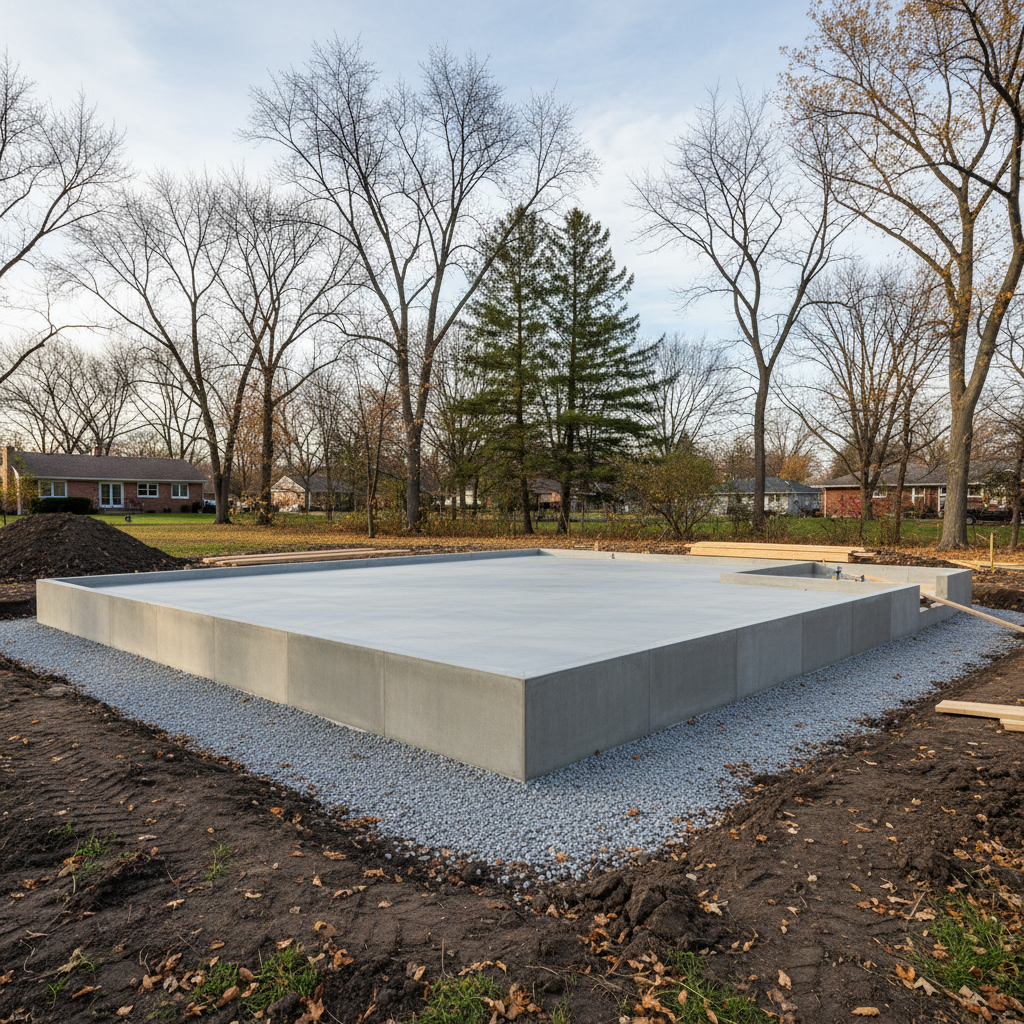
Alright, let's talk concrete foundations here in Evanston. I've seen a lot of homes in this town, from the old Victorians near Northwestern to the newer builds west of Ridge, and one thing's for sure: your foundation is the backbone of your house. It's not something you want to mess around with, and our local climate plays a huge role in how we approach foundation work.
When's the Best Time for Foundation Work?
This is probably the most common question I get. You'd think any time is fine, but it's not. For major foundation repairs or new pours, you're really looking at spring, summer, and early fall. Why? Because concrete needs specific conditions to cure properly. It's a chemical reaction, not just drying out.
We need consistent temperatures, ideally above 40 degrees Fahrenheit, for at least a few days after the pour. If it gets too cold, the water in the mix can freeze before the concrete gains enough strength, and that's a recipe for cracks and weakness down the line. You don't want that. So, trying to pour a foundation in January? Forget about it. It's just asking for trouble, and frankly, I wouldn't do it.
Spring, once the ground thaws and the daily temps are reliably above freezing, is excellent. Summer is good too, but we have to be careful about extreme heat and direct sun, which can make the concrete dry out too fast. Early fall, before the real cold sets in, also works well. Basically, we're looking for that sweet spot where the ground isn't frozen, and the air temperature isn't going to shock the concrete.
Weather Conditions That Matter Big Time
Beyond just temperature, other weather conditions really impact concrete work. You've got to consider:
- Rain: A light drizzle during a pour isn't ideal, but heavy rain? That's a no-go. It adds too much water to the mix, weakening the concrete and potentially washing away the cement paste. We'll always reschedule if heavy rain is in the forecast.
- Humidity: High humidity can slow down drying, which isn't always bad, but it needs to be managed. Low humidity, especially with wind, can cause the concrete to dry too quickly, leading to surface cracks.
- Wind: A strong wind can accelerate evaporation from the concrete surface, causing plastic shrinkage cracks. We'll often use windbreaks or apply curing compounds to mitigate this, especially on larger exposed surfaces.
- Ground Conditions: This isn't strictly 'weather,' but it's related. Evanston's soil, especially closer to the lake, can be pretty clay-heavy. That means it holds water, and when it freezes and thaws, it expands and contracts. This 'frost heave' can put a lot of stress on foundations if they aren't properly designed and installed with adequate drainage. We always assess the soil thoroughly before starting any foundation work.
These aren't just minor details; they're critical for ensuring the longevity and structural integrity of your foundation. You wouldn't want me cutting corners on something this important, and I wouldn't let myself.
Protecting Your Foundation Year-Round
Once your foundation is in, or if you've got an existing one, you've got to protect that investment. Here's what I tell folks:
- Good Drainage is Key: I can't stress this enough. Make sure your gutters are clean and extend at least 5-6 feet away from your foundation. The ground around your house should slope away from the foundation by at least 6 inches over the first 10 feet. Water pooling near your foundation is the enemy, especially with our freeze-thaw cycles.
- Seal Cracks Promptly: Small hairline cracks are pretty common, but if you see anything larger than a quarter-inch, or if water is coming through, get it looked at. Don't wait. Water infiltration can lead to bigger problems like mold, structural damage, and even pest issues. Absolute Concrete Co. can assess and repair these cracks properly.
- Landscaping Matters: Avoid planting large trees or shrubs too close to your foundation. Their roots can grow under and put pressure on the concrete, and they also suck moisture out of the soil unevenly, which can lead to differential settlement. Keep an eye on your landscaping to ensure it's not working against your foundation.
- Regular Inspections: Just walk around your house a couple of times a year, in spring and fall. Look for new cracks, signs of settling, or areas where water isn't draining correctly. Catching problems early can save you a lot of money and headaches down the road.
Your foundation is literally holding up your home. Taking these steps, understanding the local climate, and knowing when to call in the pros will keep it strong for decades. It's all about being proactive, especially in a place like Evanston where we get the full spectrum of weather.